

Anyone who’s sat in a hot sauna knows the feeling of breathing in warm, humid air – it can be surprisingly soothing for the lungs. But beyond that temporary sensation, can sauna bathing actually benefit your respiratory health?
Researchers think it might. Studies from Finland have observed that people who use saunas regularly tend to have better lung function and fewer respiratory issues over time.
In fact, frequent sauna bathers were found to suffer less from conditions like pneumonia and even had lower rates of lung diseases in general.
How Saunas Affect the Lungs
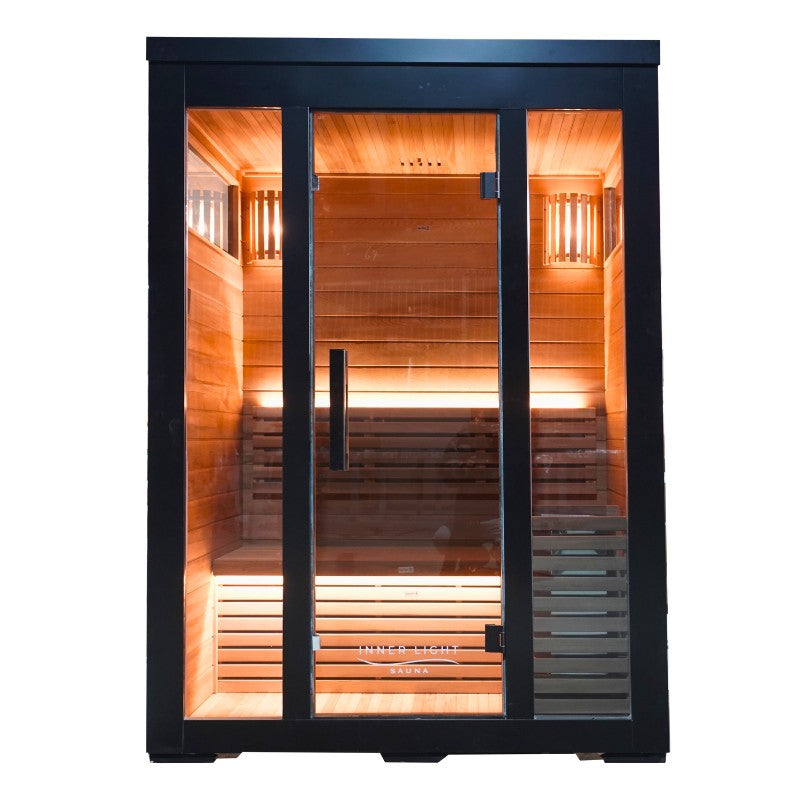
When you enter a sauna, the high temperature (often 70–90 °C in a traditional Finnish sauna) and increased humidity (if water is poured on the rocks) create a unique environment for your respiratory system.
Your breathing rate may increase slightly, and many people find that the warm humid air helps open up airways. This can loosen phlegm and promote drainage in the sinuses and lungs, somewhat like a natural decongestant. That’s why sitting in a steam room or sauna often makes you breathe easier if you have a cold or congestion – it’s clearing things out.
From a physiological perspective, sauna use can improve lung capacity and ventilation for a short period. The heat causes blood vessels in the lungs to dilate, improving blood flow in lung tissue. Over time, with regular sauna sessions, there might be a conditioning effect.
One long-term study indicated that men who used saunas several times per week had better lung function tests than those who used saunas rarely. This suggests that just as the sauna trains your cardiovascular system, it might also train your respiratory system to some degree.
Saunas and Respiratory Disease Risk
One of the most interesting findings from Finland’s sauna research is a link between regular sauna bathing and a lower risk of serious respiratory illnesses like pneumonia. In a large study, high-frequency sauna users had notably fewer cases of pneumonia over the years compared to others.
The risk of developing acute or chronic respiratory conditions appeared to be reduced among those who took, say, 4 saunas a week versus those who took one or none.
How might saunas protect against lung illnesses? There are a few possibilities:
-
Improved Immune Function: The heat exposure in saunas can stimulate a mild immune response, including increased white blood cell count and improved circulation of immune cells. A stronger immune system might fight off respiratory infections more effectively.
-
Mimicking Exercise for the Lungs: Sauna use increases heart rate and breathing rate similarly to light exercise. Regular cardio exercise is known to strengthen the respiratory system. Saunas might offer a gentler conditioning effect, which could make the lungs more resilient.
-
Reduced Inflammation: Chronic respiratory conditions like asthma and bronchitis involve inflammation in airways. Sauna therapy has been shown to reduce systemic inflammation markers. Some asthma patients report that warm sauna air alleviates their symptoms (at least temporarily, by relaxing the airways and clearing mucus).
It’s worth noting that while the associations are promising, saunas are not a cure for lung diseases. They should complement standard treatments.
For example, if you have asthma, you should still use your inhalers and follow medical advice, but sauna sessions might be a relaxing adjunct that improves your breathing comfort.
Breathing Safely in the Sauna
If you want to try sauna bathing to support your respiratory health, a few tips can help:
-
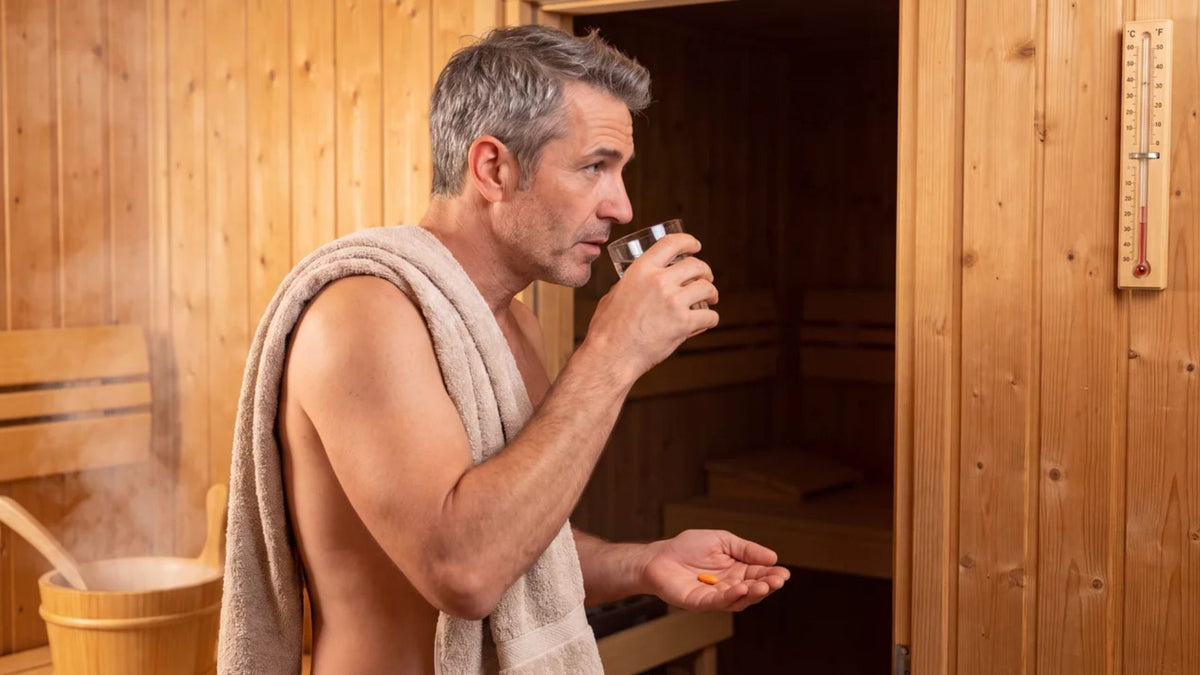
Stay Hydrated: The warm environment will cause fluid loss and can dry out your airways if you’re not well-hydrated. Drink water beforehand and afterward.
-
Mind the Temperature: Extremely high heat can be irritating rather than beneficial. Traditional sauna temps are fine for most people, but if you feel discomfort breathing hot air, you can sit on a lower bench (heat rises, it’s cooler lower down) or take breaks.
-
Listen to Your Body: If you have a condition like COPD or very severe asthma, get medical advice first. A mild sauna can be okay for many people with stable chronic lung conditions, but everyone is different. Start with short sessions to see how you feel.
-
After-Sauna Cool Down: Many Finns like to cool off in cold air or a cold shower after sauna. While invigorating, extreme temperature changes might trigger bronchospasm (narrowing of airways) in sensitive individuals. It might be better to cool down more gradually if you have delicate lungs.
Final Thoughts
Australians might not have the same sauna culture as Finns, but saunas are becoming more common in gyms and spas here. Given our generally warm climate, the idea of heating up might seem odd, but the benefits could be worth it. Early evidence indicates that making saunas a regular habit can strengthen your lungs and possibly reduce the risk of respiratory infections.
As always, use common sense – saunas should be enjoyable and comfortable, not a painful endurance test. If you use them wisely, your lungs may thank you for the warm, steamy TLC.
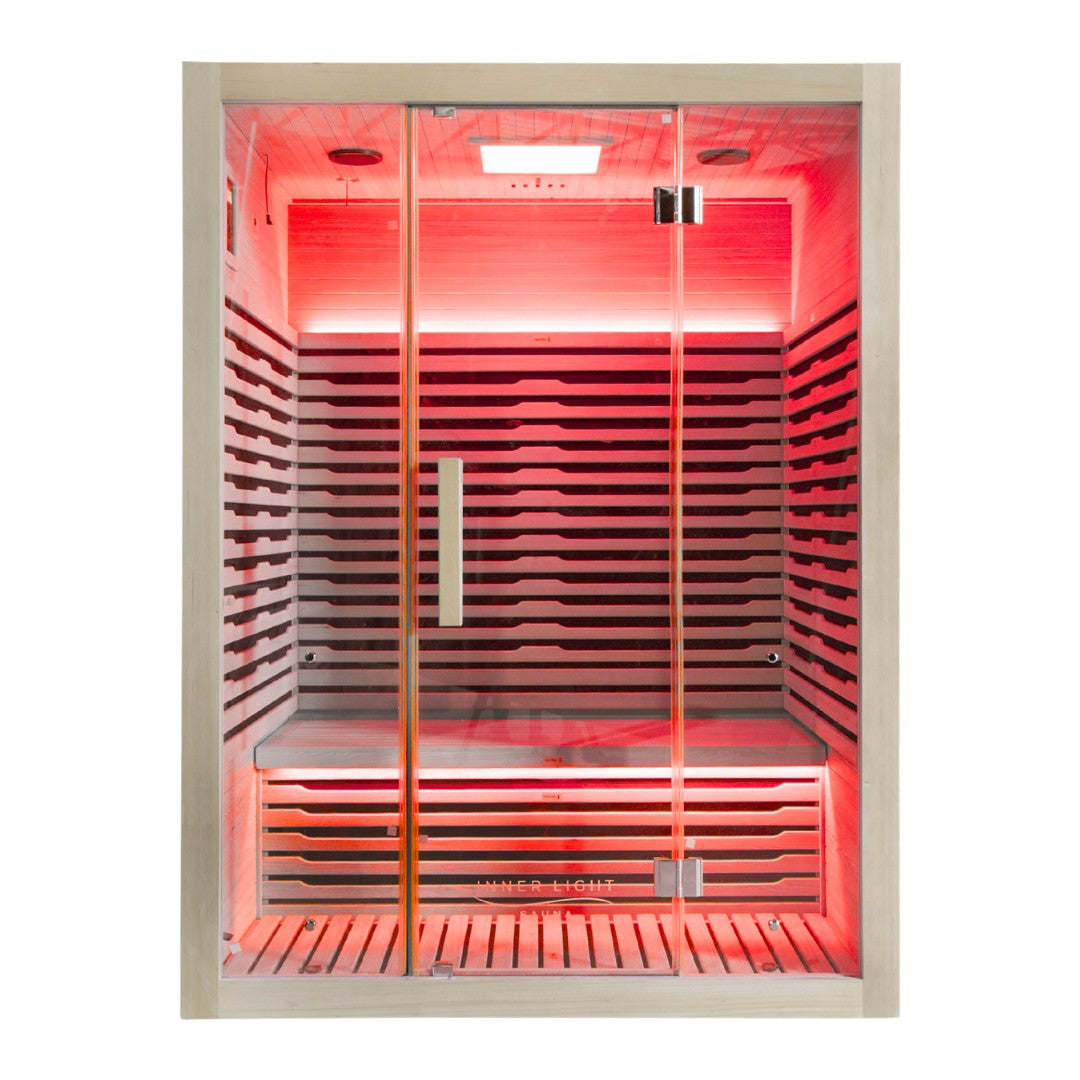
And if you prefer a more comprehensive heating method, you can try our best-selling infrared saunas instead of the traditional ones.
References
Kunutsor, S. K., Laukkanen, T., & Laukkanen, J. A. (2017). Sauna bathing reduces the risk of respiratory diseases: a long‑term prospective cohort study. European Journal of Epidemiology, 32(12), 1107–1111. https://doi.org/10.1007/s10654-017-0311-6
Kunutsor, S. K., Laukkanen, T., & Laukkanen, J. A. (2017). Frequent sauna bathing may reduce the risk of pneumonia in middle‑aged Caucasian men: the KIHD prospective cohort study. Respiratory Medicine, 132, 161–163. https://doi.org/10.1016/j.rmed.2017.10.018
Kunutsor, S. K., Laukkanen, T., Laukkanen, J. A., & Mäkikallio, T. H. (2019). Sauna bathing reduces the risk of chronic obstructive pulmonary disease and other respiratory events: prospective evidence from the KIHD cohort. European Journal of Clinical Investigation, 49(6), e13044. https://doi.org/10.1111/eci.13940



Share: