
You may not sweat much in an infrared sauna because the cabin has not warmed up, the session is too short, the temperature is low, or your personal sweating response is slower. However, feeling very hot without being able to sweat can be a medical concern, especially when it also happens during exercise or hot weather.
Do not stay inside longer simply to force sweat. Leave immediately if you feel dizzy, confused, nauseated, weak or unusually hot.
Key Takeaways
Low sweating is often related to the sauna setup or session timing. However, a persistent inability to sweat deserves medical attention.
- Infrared cabin air can feel milder than the air inside a traditional sauna.
- Some people need a longer warm-up and more session time before visible sweating begins.
- Cold rooms and low outdoor temperatures can slow the cabin’s warm-up time.
- Dehydration is not a reason to push through a session. Stop, cool down and rehydrate if you feel unwell.
- Certain medicines and medical conditions can reduce the body’s ability to sweat.
- Sweat volume is not a reliable measure of whether a sauna session was useful.
Is It Normal Not to Sweat Straight Away?
Yes, it can be normal to have little visible sweat during the early part of an infrared sauna session. Your skin and body need time to warm, and people begin sweating at different rates.
Infrared saunas typically operate with a lower air temperature than traditional stone-heated rooms. The radiant heat may feel comfortable before the cabin feels extremely hot, so sweating can begin gradually.
New users should start conservatively rather than copying someone else’s temperature or session length.
Is the Sauna Hot Enough?
The sauna may not be hot enough yet if it was entered immediately after being switched on or placed in a cold room. Check the live temperature and the model’s recommended warm-up process.
Outdoor ambient temperature, open doors and strong room ventilation can increase warm-up time. Make sure the door closes properly and the vents are being used as the manual directs.
Our guide to how hot a sauna should be explains why suitable temperatures differ between infrared and traditional sauna styles.
Is the Session Too Short?
The session may be ending before your body reaches its normal sweating point. Some people notice sweat within several minutes, while others take longer.
Do not respond by making a sudden jump to an extreme temperature or very long session. Increase exposure gradually and remain within the product and health guidance suitable for you.
The Inner Light guide on how long to use a sauna provides a useful starting point for session planning.
Could the Heaters Be Positioned Too Far Away?
Yes, heater distance and seating position affect how much radiant warmth reaches your body. Sit in the intended position with your back and legs near the main panels without touching or blocking them.
Do not cover heaters with towels, clothing or stored objects. Check that every expected heater zone is warming.
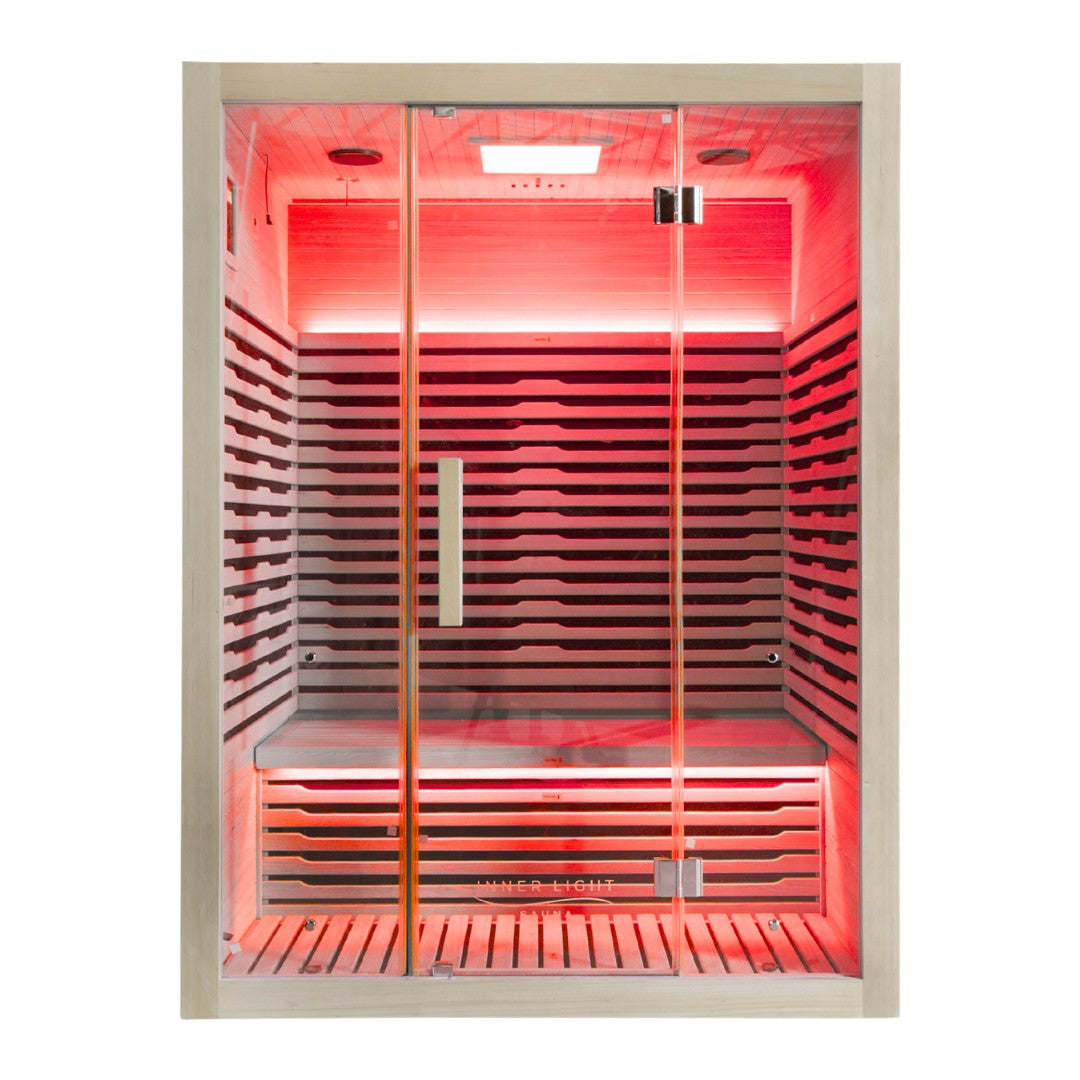
The Mali 2 Person Infrared Sauna uses several heater panels around the back, sides, legs and floor. This type of layout provides coverage from several directions, but every panel still needs to operate correctly.
Can Clothing Stop You From Sweating?
Heavy or insulating clothing can change how the heat feels and may block direct radiant exposure to parts of the body. Wear light, breathable clothing or follow the usual private-home sauna approach that is comfortable for you.
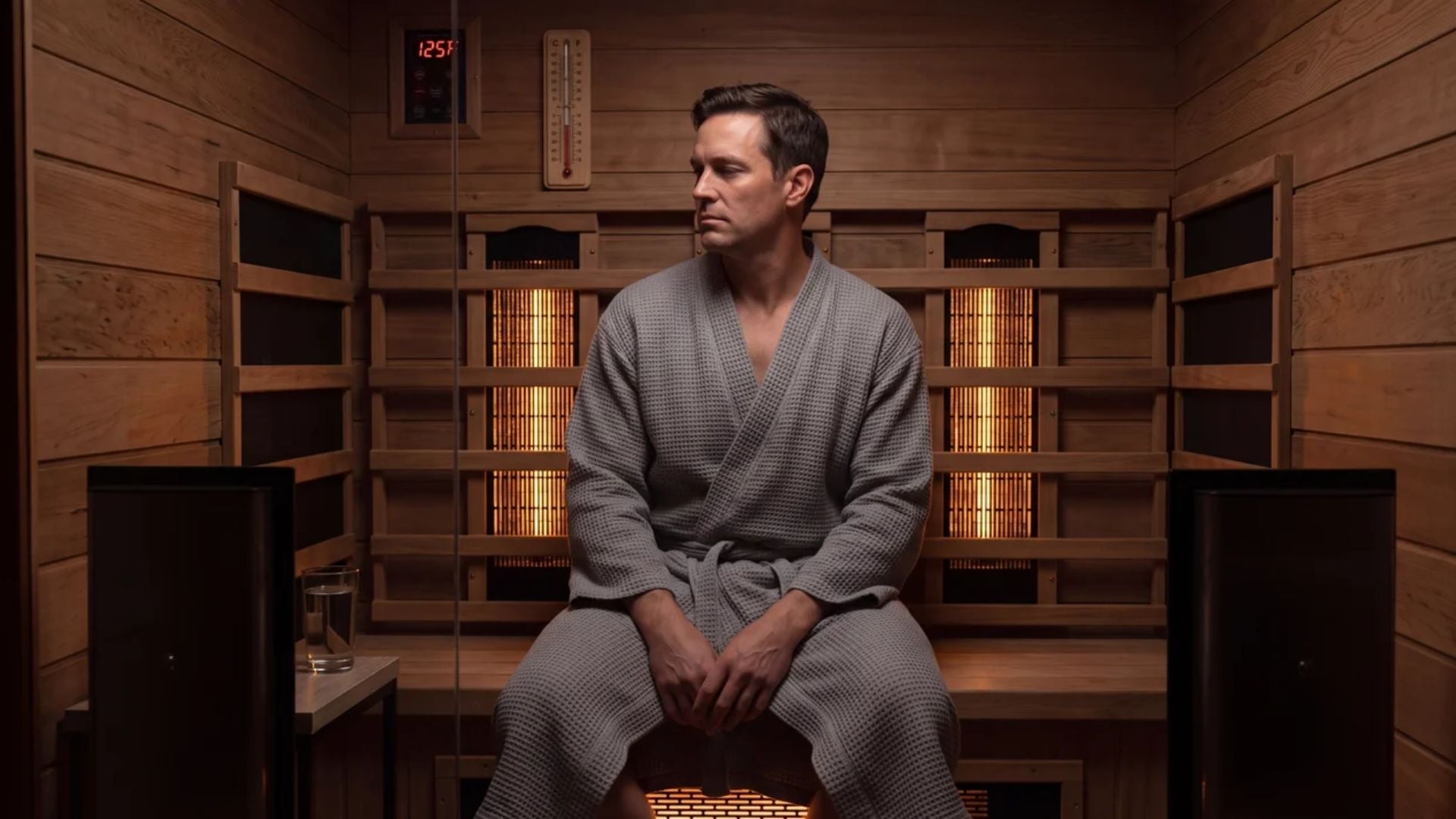
Avoid thick robes inside the cabin. Use a towel on the bench for hygiene rather than wrapping the entire body in several layers.
Read what to wear in an infrared sauna for practical clothing choices.
Can Dehydration Reduce Sweating?
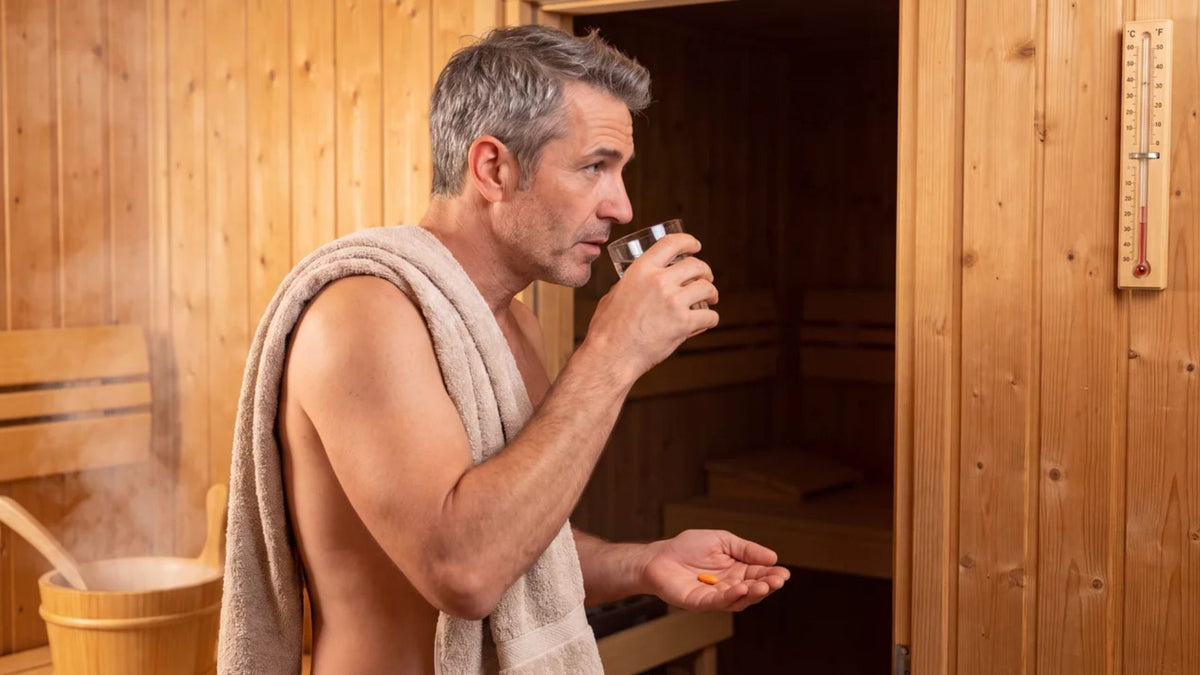
Dehydration can interfere with your body’s ability to manage heat and makes sauna use less safe. It is not a technique for creating a stronger session.
Drink normally before the sauna and replace fluid lost through sweating. Avoid entering when you are already dehydrated from exercise, illness, alcohol, vomiting or diarrhoea.
Signs such as dark urine, thirst, headache, dry mouth or dizziness can indicate dehydration. Our article on infrared sauna dehydration explains when it is better to postpone a session.
Can Medication Affect Sweating?
Yes, some medicines can reduce sweating and affect temperature regulation. Anticholinergic medicines are one recognised cause, but other prescription and over-the-counter products may also contribute.
Do not stop prescribed medicine on your own. Ask your doctor or pharmacist whether heat exposure is suitable with your medication.
Cleveland Clinic’s anhidrosis guide lists medication effects among the possible causes of reduced or absent sweating.
When Can Lack of Sweat Be a Medical Problem?
Lack of sweat can be a medical concern when you become hot but cannot cool yourself, or when reduced sweating also occurs during exercise and warm weather. This condition is called hypohidrosis when sweating is reduced and anhidrosis when it is absent.
Possible causes include sweat gland damage, skin conditions, nerve problems, dehydration, medication effects and other health conditions. Only a healthcare professional can assess the cause.
Seek urgent help if overheating is accompanied by confusion, fainting, severe weakness, a very high temperature or hot skin without normal sweating. Heatstroke is a medical emergency.
What Should You Check on the Sauna?
The cabin temperature, heater zones, door and settings should be checked before assuming the issue comes from your body.
-
Confirm the set temperature and current temperature.
-
Allow the normal warm-up period for the room conditions.
-
Check whether each heater area is warming.
-
Make sure panels are not covered.
-
Close the door fully.
-
Use vents according to the manual.
-
Check for fault messages or repeated circuit trips.
If one area remains cold or the controls behave unusually, stop using the sauna and contact support. Do not open electrical panels or attempt a heater repair while the unit is connected.
Does More Sweat Mean a Better Sauna Session?
No, more sweat does not automatically mean a better or healthier session. Sweat is mainly part of temperature regulation, and the amount varies with genetics, fitness, climate, hydration, medication and heat acclimation.
You do not need to compete with another person’s sweat level. A comfortable, controlled session that ends before symptoms develop is more sensible than chasing the wettest towel.
Final Answer
If you are not sweating in an infrared sauna, first check warm-up, temperature, session length, heater operation and clothing.
Stop if you feel unwell, and speak with a healthcare professional if you repeatedly become hot without sweating in the sauna, during exercise or in warm weather.
Infrared Sauna Sweating FAQ
Frequently Asked Questions
These answers cover common concerns about low sweating in an infrared sauna.
How Long Does It Take to Sweat in an Infrared Sauna?
It varies from person to person. Some people begin sweating within several minutes, while others need a longer, gradual warm-up. Do not exceed the recommended session time simply to force more sweating.
Should I Exercise Before the Sauna to Sweat Faster?
Exercise may leave your body warm, tired and partly dehydrated, so it is not necessary purely to produce more sweat. Rehydrate and allow your body to settle before beginning a sauna session.
Should I Drink Less Water Before a Sauna?
No. Deliberately dehydrating yourself increases the risk of dizziness, overheating and other heat-related problems. It should never be used to make a sauna session feel more intense.
Why Do I Sweat More in a Traditional Sauna?
Traditional saunas normally use hotter air, which may create a faster surface heat response. Infrared cabins often feel milder because their heaters use radiant heat rather than relying mainly on high air temperatures.
Should I See a Doctor if I Never Sweat?
Yes. Seek medical advice if you cannot sweat normally when exposed to heat or exercising, particularly if this is new or occurs with dizziness, weakness, confusion or signs of overheating.

Share: