
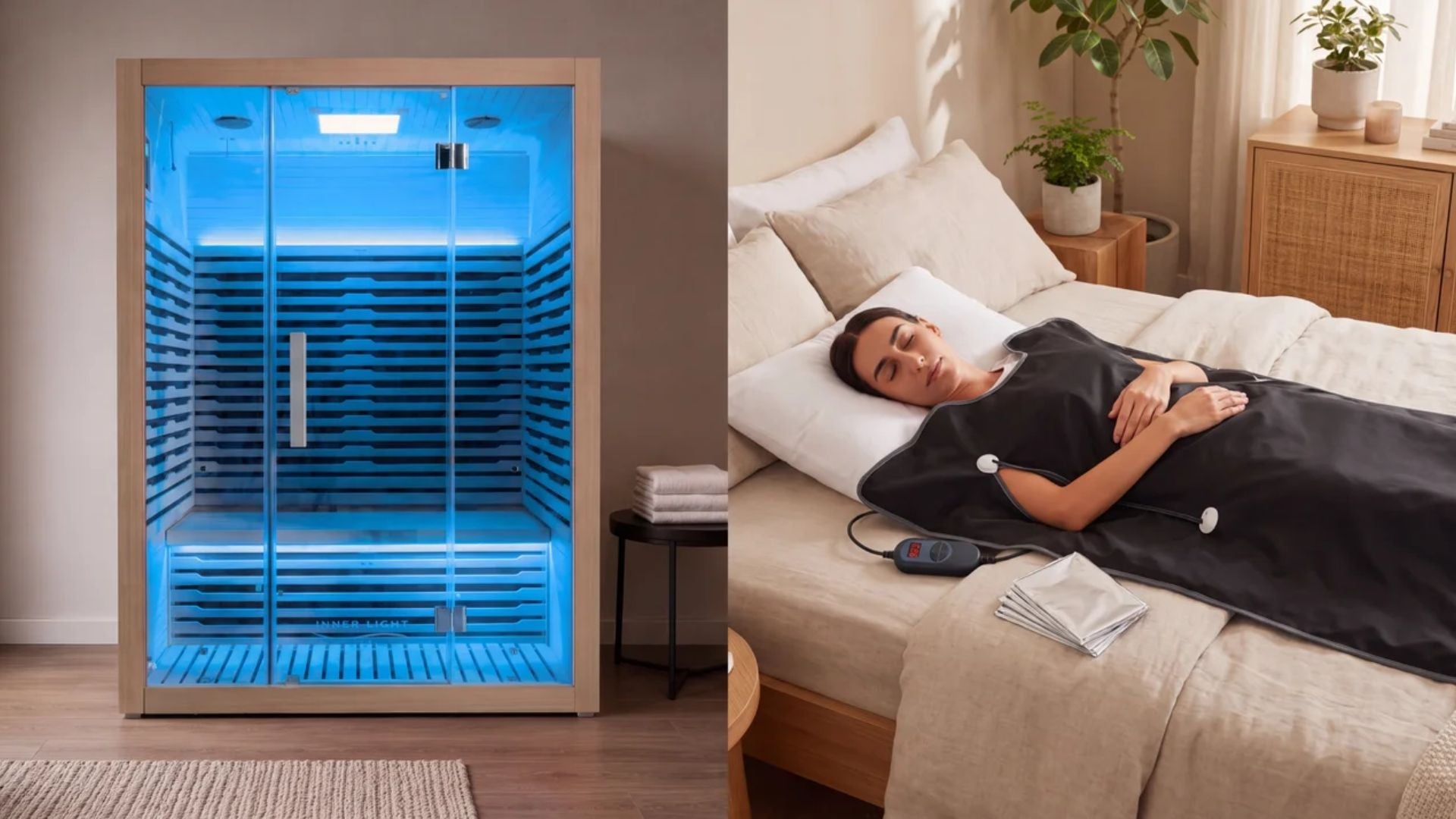
An infrared sauna blanket is better when portability, storage and a lower upfront cost are the main priorities. An infrared sauna cabin is usually better for regular home use because it is more comfortable, easier to enter, suitable for seated sessions and available in multi-person sizes.
Neither option suits everyone. Your available space, budget, heat preference and expected frequency of use should decide the purchase.
Key Takeaways
A sauna blanket is the simpler portable option, while a cabin provides a more complete and repeatable home sauna setup.
- Sauna blankets can be folded and stored away after each use, making them suitable for homes with limited space.
- Sauna cabins provide heat from several directions without wrapping the body tightly.
- Blankets usually require a complete wipe-down and thorough drying after every sweaty session.
- Cabins allow seated use, easier movement and shared sessions, depending on the model’s capacity.
- Even a compact cabin costs more and requires permanent floor space.
- Health findings from cabin sauna research should not automatically be treated as evidence for every sauna blanket.
What Is an Infrared Sauna Blanket?
An infrared sauna blanket is a heated wrap that lies flat on a bed, floor or other approved surface. The user lies inside while the head normally remains outside.
The main attraction is convenience. It can suit a renter or someone who has no permanent space for a cabin. It is also usually cheaper to purchase.
However, blanket designs vary considerably. Heating zones, surface temperature, materials, cleaning instructions and electrical testing should be checked on the exact product rather than assumed from the category name.
What Is an Infrared Sauna Cabin?
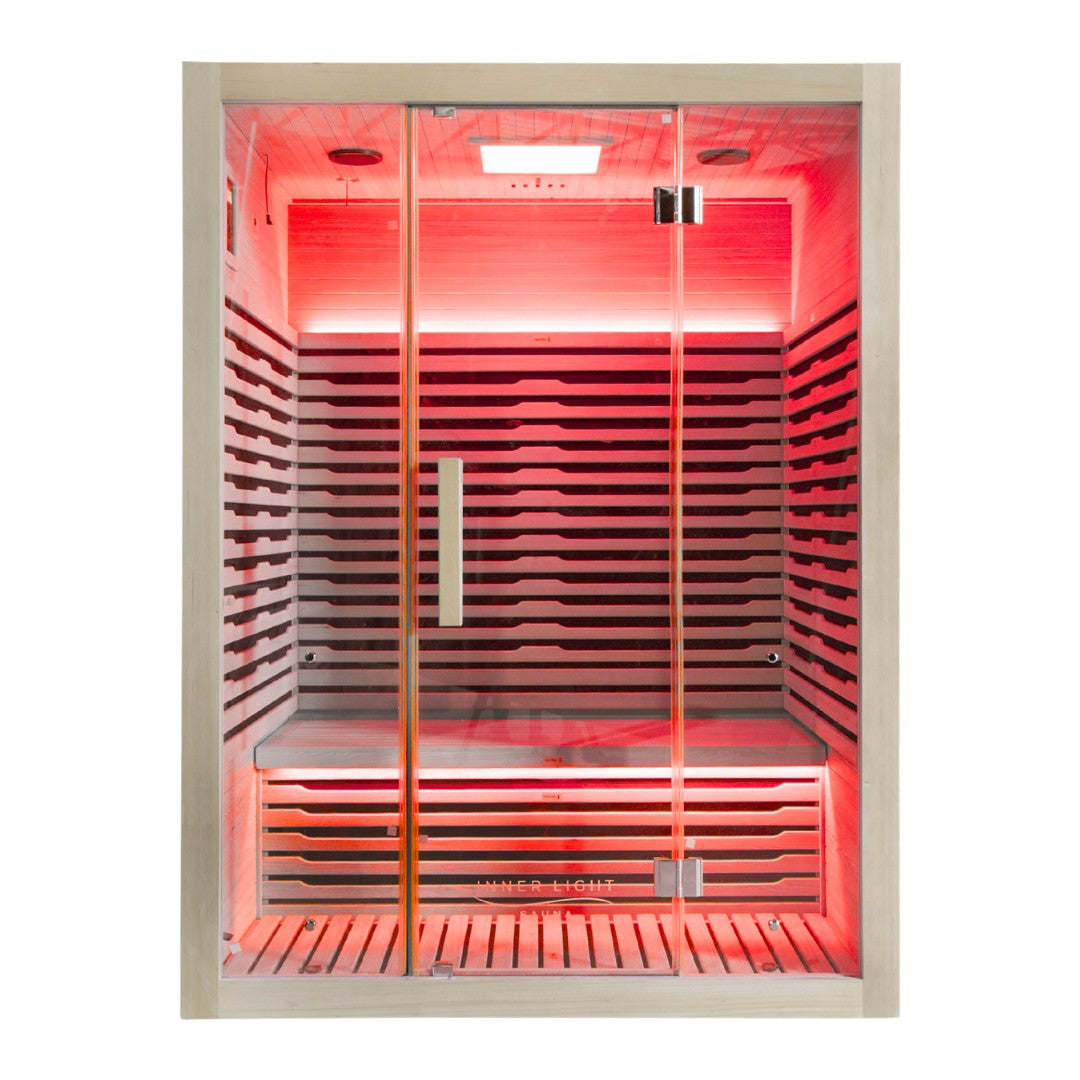
An infrared sauna cabin is an enclosed timber and glass structure with heaters positioned around the seated user. It has built-in controls and may include lighting, speakers and app-based operation.
A cabin creates a dedicated place for each session. There is no need to unfold it, prepare a lying surface or pack it away afterwards.
The Mali 2 Person Infrared Sauna is a practical example for home use. It provides seating for up to two people and uses a standard 10A plug, making it simpler to place than many larger cabins.
Which Option Provides Better Heat Coverage?
A well-designed cabin generally provides more balanced heat coverage because several panels can be positioned around the back, sides, legs and floor. A blanket applies heat much closer to the wrapped surfaces but normally leaves the head and some body areas less exposed.
Close contact does not automatically mean better infrared performance. The result depends on the actual heating technology, temperature control, clothing requirements and how evenly the blanket’s zones operate.
Cabin performance also varies. Check the number and placement of heaters rather than judging only by maximum temperature.
Which Option Is More Comfortable?
A cabin is usually more comfortable for people who prefer to sit upright, move their arms or share a session. A blanket can feel restrictive, especially when it becomes damp with sweat.
Some users enjoy lying still and may find a blanket relaxing. Others dislike being enclosed or find getting in and out awkward. This matters if you have limited mobility, shoulder problems or difficulty rising from the floor.
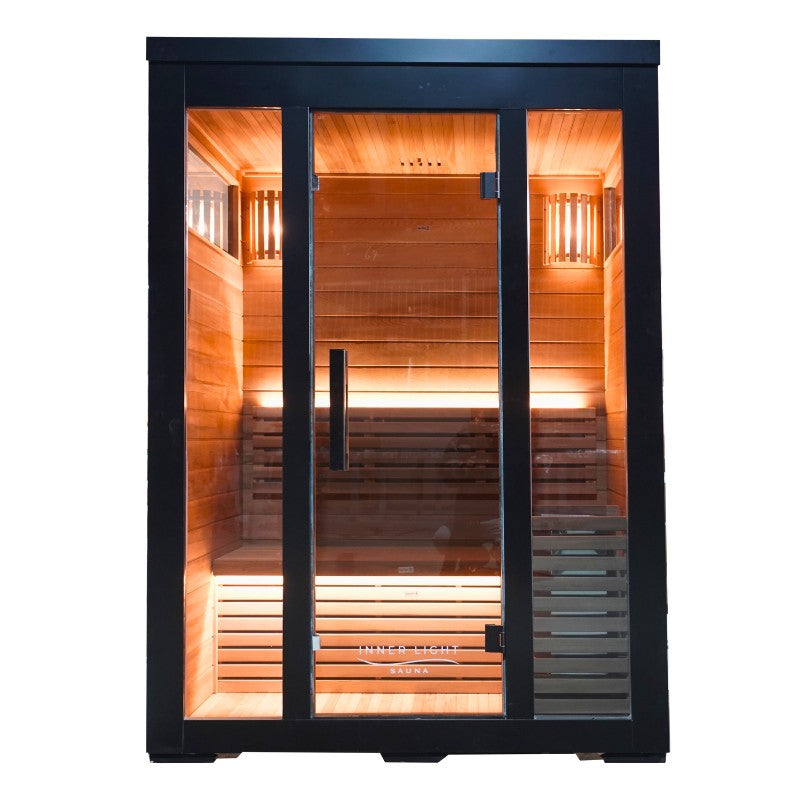
The Mali 3 Person Infrared Sauna offers extra seated room for people who want more personal space without moving to a very large cabin.
Which Option Needs More Space?
A blanket needs less permanent space because it can be stored between sessions. You still need a flat, heat-safe area large enough to lie down and room to dry the blanket afterwards.
A cabin occupies a fixed footprint and needs suitable clearance, access and power. Measure doorways and the final room before ordering. Larger cabins arrive in panels, but the delivery path and ceiling height still matter.
If the floor area is available, the fixed setup can make regular use easier. You can step inside without moving furniture or preparing the room every time.
Which Option Is Easier to Clean?
A cabin is usually easier to manage after regular use because a towel can protect the bench and the interior can be wiped down. The cabin should still be aired and kept dry.
A blanket receives close contact with clothing and sweat. It normally needs to be opened fully, wiped according to the manufacturer’s directions and allowed to dry before storage. Folding it while damp can create odour and hygiene problems.
Our guide on how to clean an infrared sauna explains a simple routine for timber cabin interiors.
Is a Blanket Cheaper Than an Infrared Sauna Cabin?
Yes, most blankets cost less upfront than a full cabin. They also avoid delivery and assembly costs associated with a larger structure.
Upfront price is only one part of value. If setting up and cleaning the blanket becomes inconvenient, it may be used less often. A cabin costs more but can provide a dedicated, shareable space for many years.
Compare the warranty, repair options and replacement-part support. A low purchase price is less useful if the controller or heating zone cannot be serviced.
Does a Blanket Use Less Electricity?
A blanket usually has a lower rated power than a full cabin, but session length and heating behaviour still affect actual energy use. Compare kilowatt-hours rather than only the product’s maximum temperature.
A cabin uses more heaters and warms a larger space. The exact cost varies by model, warm-up time and electricity tariff. Our Australian sauna running cost guide provides a more useful method for estimating cabin costs.
Are Sauna Blankets and Cabins Equally Well Researched?
No, they should not be treated as identical research categories. Many studies involve traditional sauna rooms, controlled infrared cabins or supervised heat therapy rather than consumer blankets.
Both products expose the user to heat and can cause sweating. That does not prove that every medical or cardiovascular finding from cabin studies transfers directly to a blanket with different temperature, exposure and body position.
Use either device conservatively. Cleveland Clinic guidance recommends starting with lower heat and short sessions, staying hydrated and leaving if dizziness or nausea develops.
Who Should Choose an Infrared Sauna Blanket?
A blanket may suit someone with very limited storage, a lower budget or no permission to install a permanent cabin. It also suits people who genuinely prefer lying down during heat exposure.
Check the product’s electrical certification, material safety, temperature controls, timer and warranty. Follow its clothing and direct-skin-contact instructions carefully.
Who Should Choose an Infrared Sauna Cabin?
A cabin suits people who expect to use sauna heat regularly and want a comfortable, ready-to-use space. It is also the clear choice for couples, families or anyone who prefers sitting upright.
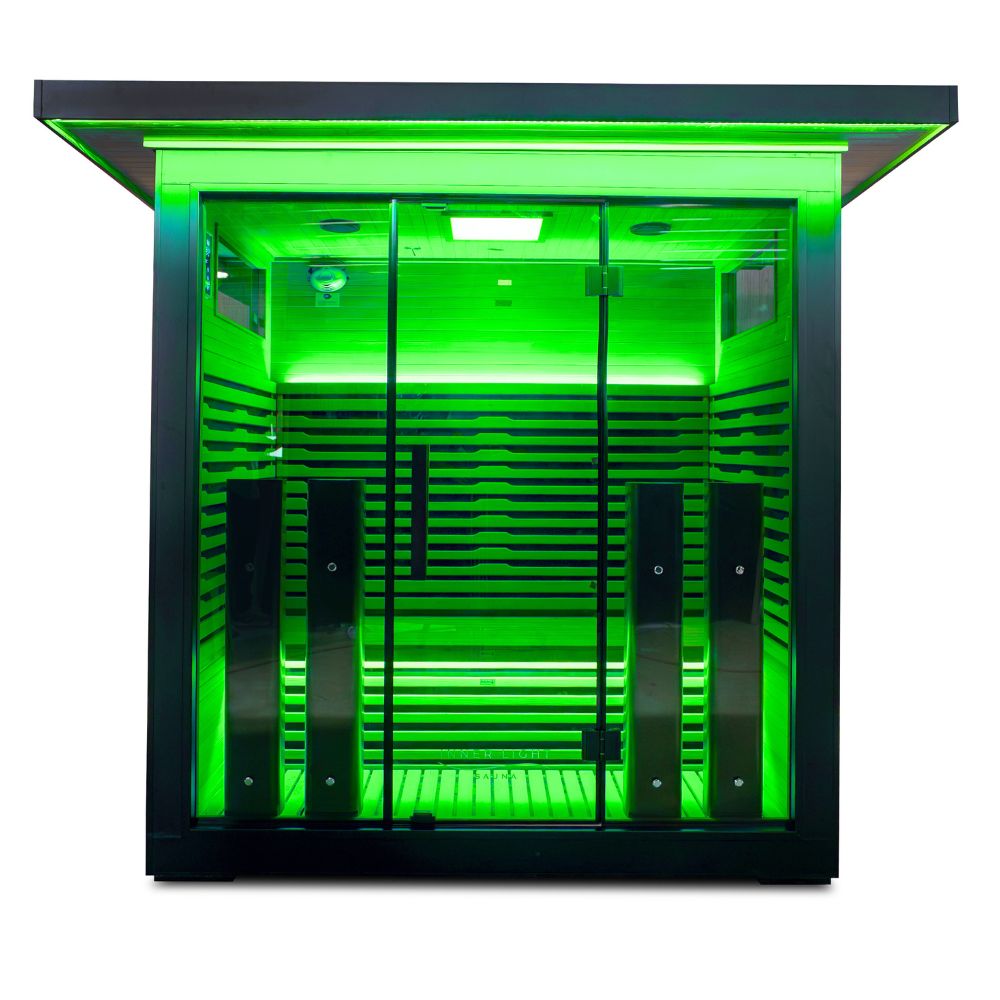
For compact rooms, the Mali 2 keeps the electrical setup simple. For more shared space, the Mali 4 Person Infrared Sauna provides a larger cabin but requires a dedicated 20A power point.
Final Answer
Choose a blanket if portability and low upfront cost matter most. Choose a cabin if you want regular seated use, broader heater coverage, easier entry and the option to share sessions.
For a long-term home setup, a compact cabin is usually the more practical choice when space and budget allow.

Share: